Basil Companion Planting: 8 Herbs and Vegetables That Thrive Nearby
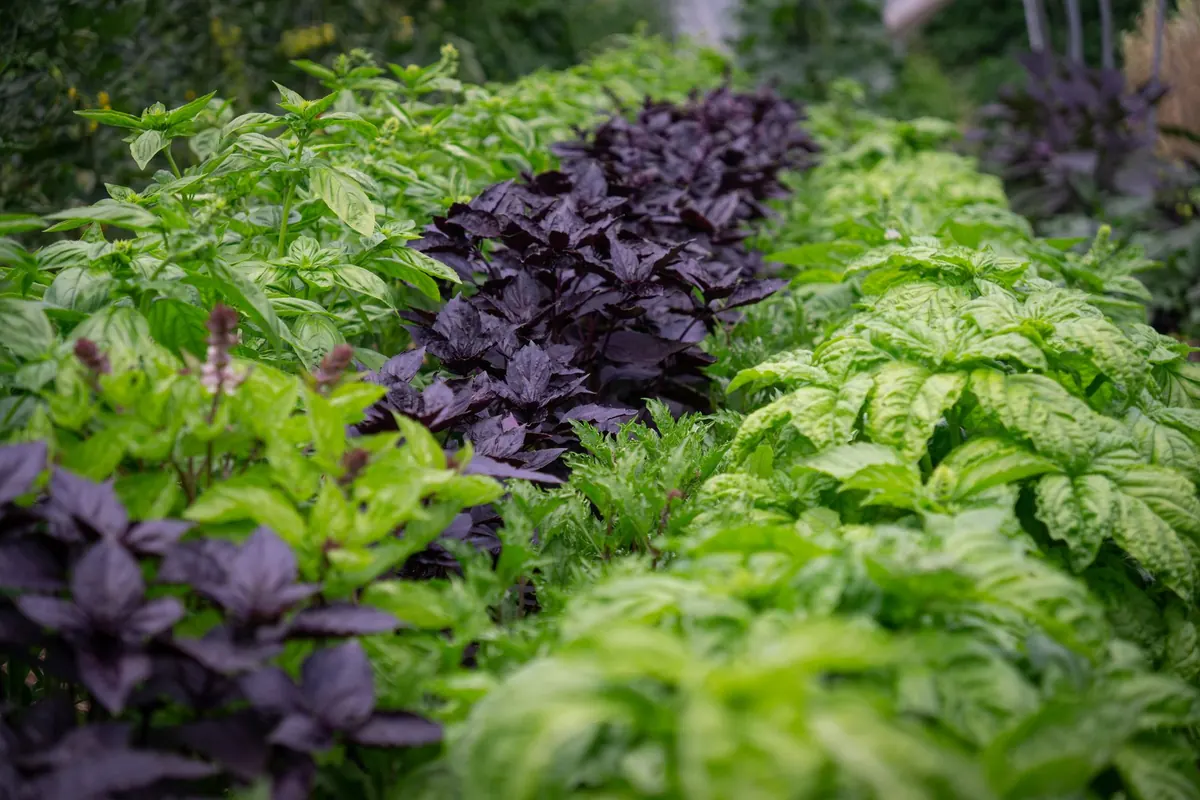
Basil is generous in the garden. It germinates quickly, often within a week or so when the soil is warm, crops within a couple of months, and keeps producing if you pinch it regularly. It also slips neatly into gaps between slower crops, which makes it one of the easiest herbs to use as a companion plant. You can tuck a few plants between tomatoes, edge a raised bed with it, or grow it in pots beside peppers. It rarely demands much space and it earns its keep with scent, leaves and flowers.
It is particular about a few things, though. Basil wants warmth, sun and steady moisture, and it sulks in cold, wet soil. So the useful question is not really what basil repels, but what grows happily in the same conditions and will not crowd it out. Answer that, and the rest tends to follow. A companion that hates water will struggle next to basil, just as a giant leafy plant will shade it into weakness.
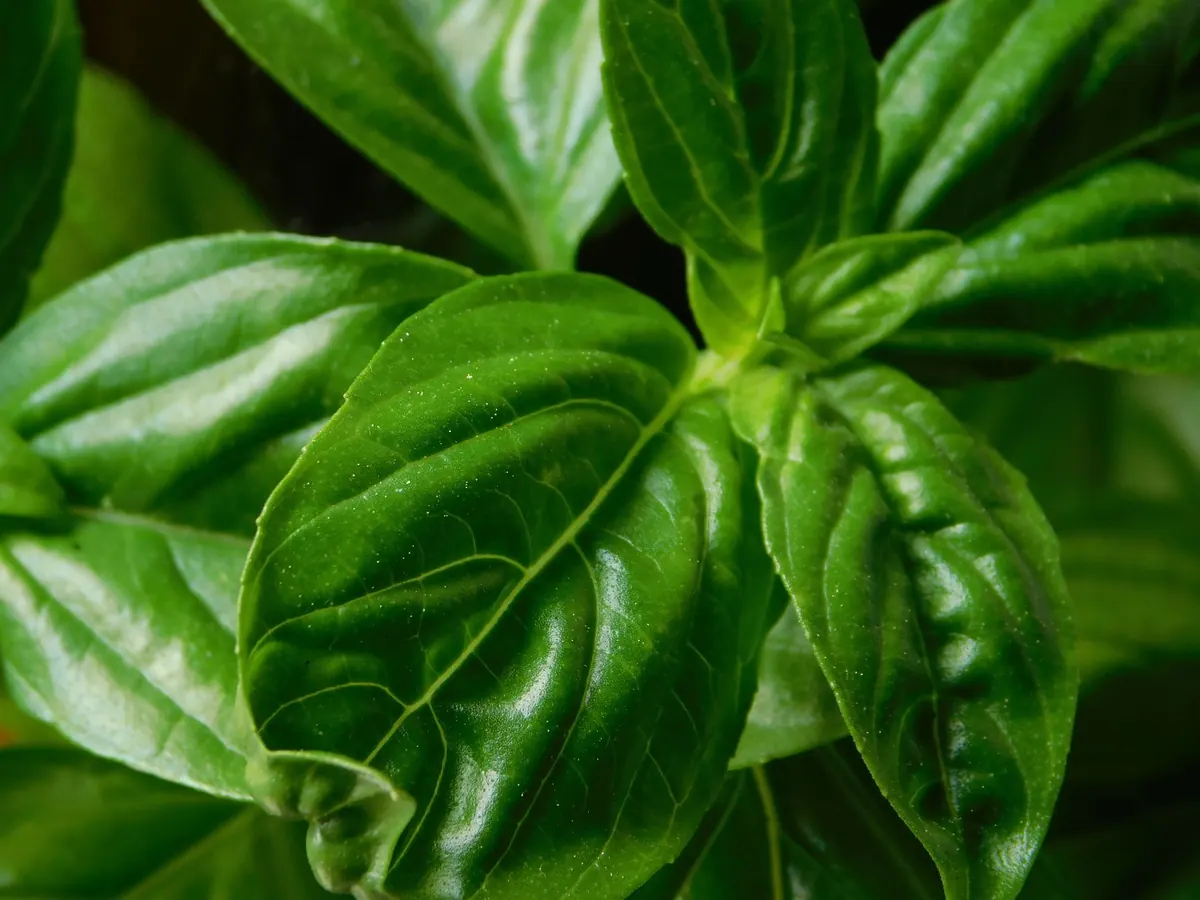
Basil is a tender annual grown as a warm-season crop. Most varieties form a bushy plant 30–60cm tall, with a fibrous root system that sits in the top 20cm or so of soil. That shallow rooting matters: basil will not compete hard with tomatoes or aubergines for water deeper down, so it can sit close to them without stealing their dinner. In practice, that means you can plant basil 30–45cm from a tomato stem and still expect both to grow well. The tomato roots go deeper and wider, while the basil roots stay near the surface.
The scent does some work too. Basil leaves are rich in aromatic oils, and plenty of gardeners report fewer whitefly and aphids on plants growing nearby. Treat that as a bonus rather than a control measure. There is no guarantee a pest will stay away just because a basil plant is in the bed, and companion planting is no substitute for good airflow, prompt watering and checking plants every few days. If aphids do appear, a strong jet of water, a little soap spray or a careful squish with your fingers will do more than hoping the basil frightens them off.
What basil certainly does is feed pollinators, provided you let some of it flower. Once the buds open, the leaves turn coarser and the flavour fades, so keep most plants pinched for the kitchen and allow one or two to run to flower in late summer. Bees, hoverflies and small wasps will find them. Those insects do useful work in the vegetable patch, pollinating crops and, in the case of hoverflies, helping to keep aphid numbers down. A few basil flowers can turn a quiet bed into a busy one.
Before choosing companions, match the site to basil’s preferences. A stressed basil plant will not protect or improve anything nearby. It will simply sit there, yellowing and sulking, while the weeds move in.
These conditions overlap with many warm-season vegetables and a handful of herbs. The companions below either share them or tolerate them without crowding basil out.
Tomatoes are the classic basil partners, and for good reason. Both love sun, warmth and regular water, and they occupy different root zones. Basil’s shallow roots stay near the surface while tomato roots reach deeper, so the two are not usually fighting for the same moisture. Plant basil near tomato stems but not touching them, and give each plant its own root space rather than dropping basil into the same planting hole. Some gardeners claim the pair improves tomato flavour; the scientific evidence is thin, but the practical partnership is strong. Basil can fill gaps under taller tomatoes, though if the tomato canopy creates deep shade, basil may stretch and produce fewer leaves. Choose a sunny side of the row or grow dwarf basil varieties.
Sweet peppers and chillies enjoy the same warm, sunny conditions as basil. They are often slower to size up, so basil can be interplanted between young pepper plants early in the season. As the peppers bush out, keep an eye on airflow. Both plants dislike crowded, humid conditions, which can encourage mould. Space them about 30cm apart, and in containers use a pot at least 30cm wide. Basil and peppers also make a useful patio pair: pick a few chillies and a handful of basil leaves for the same meal. Watch for aphids on pepper leaves, especially under glass, and inspect the undersides regularly.
Aubergines are heat lovers that thrive in the same conditions as basil. They grow taller and broader, so plant basil at the edge of the bed or between plants, not directly under a heavy canopy of leaves. Aubergines can be troubled by flea beetles, and basil will not stop them, but a diverse bed with herbs may help confuse pests and support beneficial insects. Keep water steady, because both aubergines and basil dislike drought. In cooler climates, grow both in a greenhouse or polytunnel where warmth is easier to manage. The aubergine fruits can be heavy, so stake plants early and let basil fill the space below.
Oregano is a Mediterranean herb that likes sun and sharp drainage. Basil likes a little more moisture, so pair them in raised beds or sandy loam that drains well but still holds some water. Oregano is low-growing and spreading, so it can act as a living mulch at basil’s feet, keeping the soil cool and suppressing weeds. Do not let it smother young basil; trim it back if it creeps too close. Both are kitchen herbs, so harvest them together for tomato sauces, roasted vegetables and salad dressings. Oregano’s small flowers also feed bees if you let some stems bloom.
Thyme shares oregano’s love of sun and drainage. It is small and woody, with roots that do not compete aggressively. Plant thyme near basil in a herb spiral, along a bed edge, or in a separate strip where the soil is slightly drier. If basil needs extra water, put thyme on a small mound so its roots stay less soggy. The combination is useful in the kitchen and in the garden: thyme’s tiny flowers feed pollinators, and its scent adds to the aromatic mix. Avoid overwatering thyme when you water basil, and prune it after flowering to keep it compact.
Parsley is a biennial herb that likes moisture and some shade, especially in hot climates. It can thrive near basil because basil appreciates steady water too, and parsley’s deep taproot will not fight basil’s shallow roots. In full sun, parsley may need more water; in partial shade, basil may grow a little slower but still productive. Parsley attracts beneficial insects like hoverflies when it flowers in its second year, and its curly or flat leaves make a good contrast to basil in the bed. Plant parsley on the shadier side of basil if summer heat is intense. Keep it watered and cut outer stems regularly to encourage new growth.
Chives are hardy perennials that grow in sun or partial shade, with moist but drained soil. They form clumps of slender leaves rather than a spreading mat, so they leave room for basil. Chives are often said to repel aphids and other pests, though claims like this should be treated with caution. Their pink flowers are excellent for pollinators, and the leaves are useful in the kitchen. Plant chives near basil in the vegetable bed or in pots. Cut chives regularly to keep them tidy; they will return year after year while basil is replanted each spring. This makes them a dependable edge to a warm-season bed.
Borage is a fast-growing annual herb with star-shaped blue flowers that taste faintly of cucumber. It loves sun and well-drained soil, and it self-seeds readily. Borage is a magnet for bees, so it can increase pollination nearby. It grows larger than basil—up to 60–90cm—and can flop, so plant it at the edge of the bed or behind basil, not where it will shade it. Borage’s bristly leaves can be rough on bare skin, so keep it away from paths and play areas. If you do not want volunteers everywhere, remove the flowers before seed sets. Used carefully, it adds height, colour and pollinator power to a basil bed.
Timing matters as much as pairing. Basil is tender, so wait until nights are reliably above 10–12°C and the soil has warmed. In cool climates, start basil indoors six to eight weeks before the last frost, then harden the plants off gradually. Plant them out when tomatoes, peppers and aubergines go in. If you sow basil directly, wait until the soil feels warm to the touch.
Companion planting works best when it starts with matching needs, not with magic. Put basil where it can grow strongly, and it will return the favour by filling space, feeding pollinators and giving you handfuls of leaves.
If you want a low-effort start, try this. Plant a row of tomatoes or peppers in full sun. Tuck basil between them at 30cm spacing, with one chive clump at the end of the row. Add a parsley plant on the shadier side and a thyme or oregano plant at the front edge, where drainage is sharpest. Let one basil plant flower in late summer, and leave a borage seedling at the corner if you have room. Water deeply once or twice a week, mulch, and harvest basil weekly. That gives you a productive, pollinator-friendly bed without asking basil to do a job it cannot do.
In the end, basil is not a bodyguard for the whole garden. It is a fast, fragrant, useful plant that happens to fit neatly beside several warm-season crops and herbs. Choose companions that share its love of sun and steady moisture, give them all room to breathe, and the bed will do the rest.
Photo: Christoph Hanssen / Pexels
Previous Post
Pinching Out Basil: When and How to Prune for Bushier Plants
Next Post
Basil Varieties Compared: Genovese, Thai, Greek and Purple