Classic Basil Pesto Recipe (With UK Measurements)
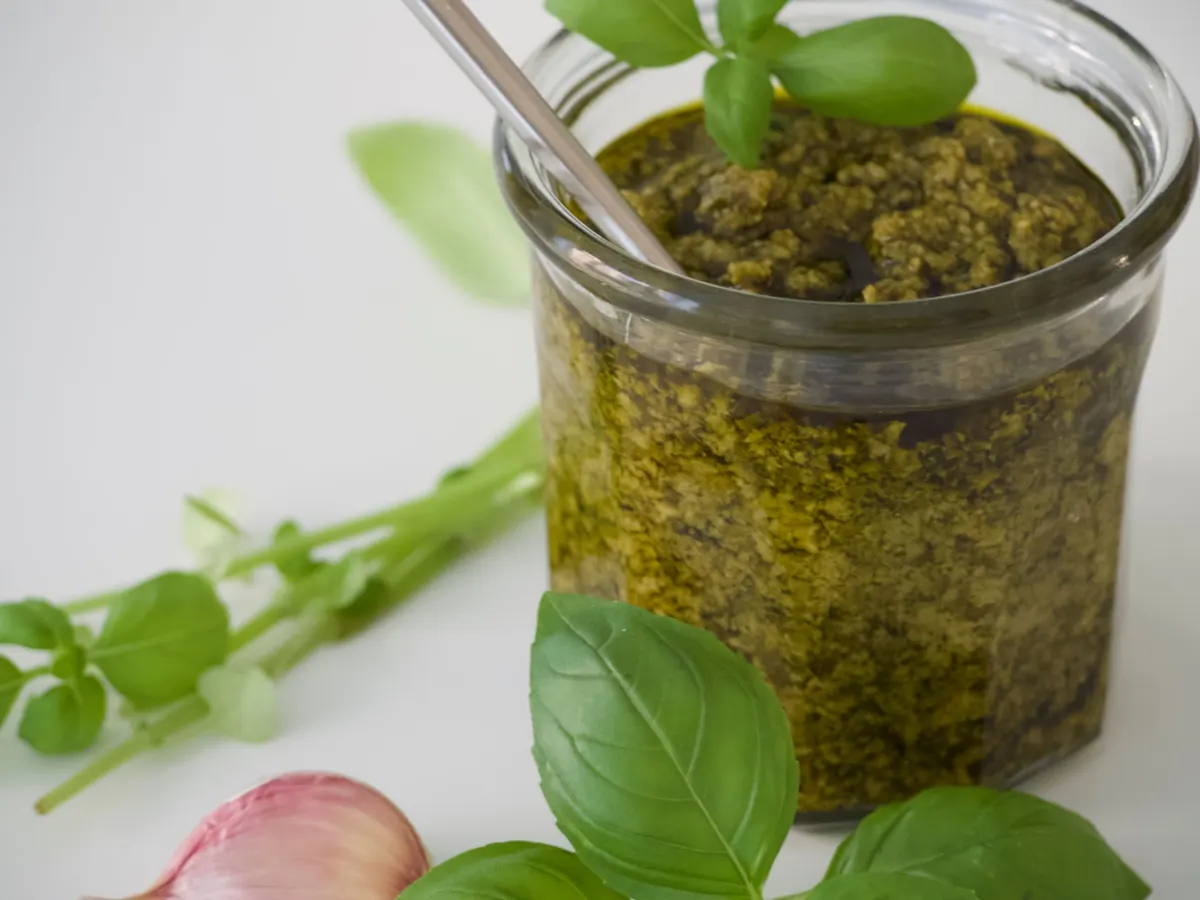
Good pesto is a five-ingredient recipe that tastes like far more than the sum of its parts. It also lives in a narrow window between bright, fragrant and perfect, and flat, khaki and disappointing. The difference comes down to fresh basil, decent olive oil, and knowing when to stop blitzing.
What follows is the traditional Genoese method, measured in grams and millilitres so it works with a UK kitchen scale and a measuring jug. It makes roughly 250 ml — enough to dress pasta for four generously, with a spoonful left in the jar for tomorrow.
Some cooks add 15 g of pecorino alongside the Parmesan for a sharper, saltier edge, and a squeeze of lemon at the end to keep the colour lively. Neither is essential, but both are worth trying once.
Treat those numbers as a starting point rather than a formula. The balance to aim for is roughly equal weights of nuts and hard cheese against the basil, with just enough oil to bring it together into a loose, spoonable paste. If your basil is supermarket-soft and pale, use a little more; if it is dark, small-leaved and picked from your own plants, use less.
Pine nuts are traditional and also the priciest thing on the list. Walnuts give a rougher, more rustic pesto that suits roasted vegetables. Blanched almonds are the closest in texture to pine nuts, and sunflower or pumpkin seeds make a perfectly good nut-free version — useful if you are cooking for someone with a nut allergy. Toast seeds briefly first, just as you would the nuts, or they taste raw and slightly bitter.
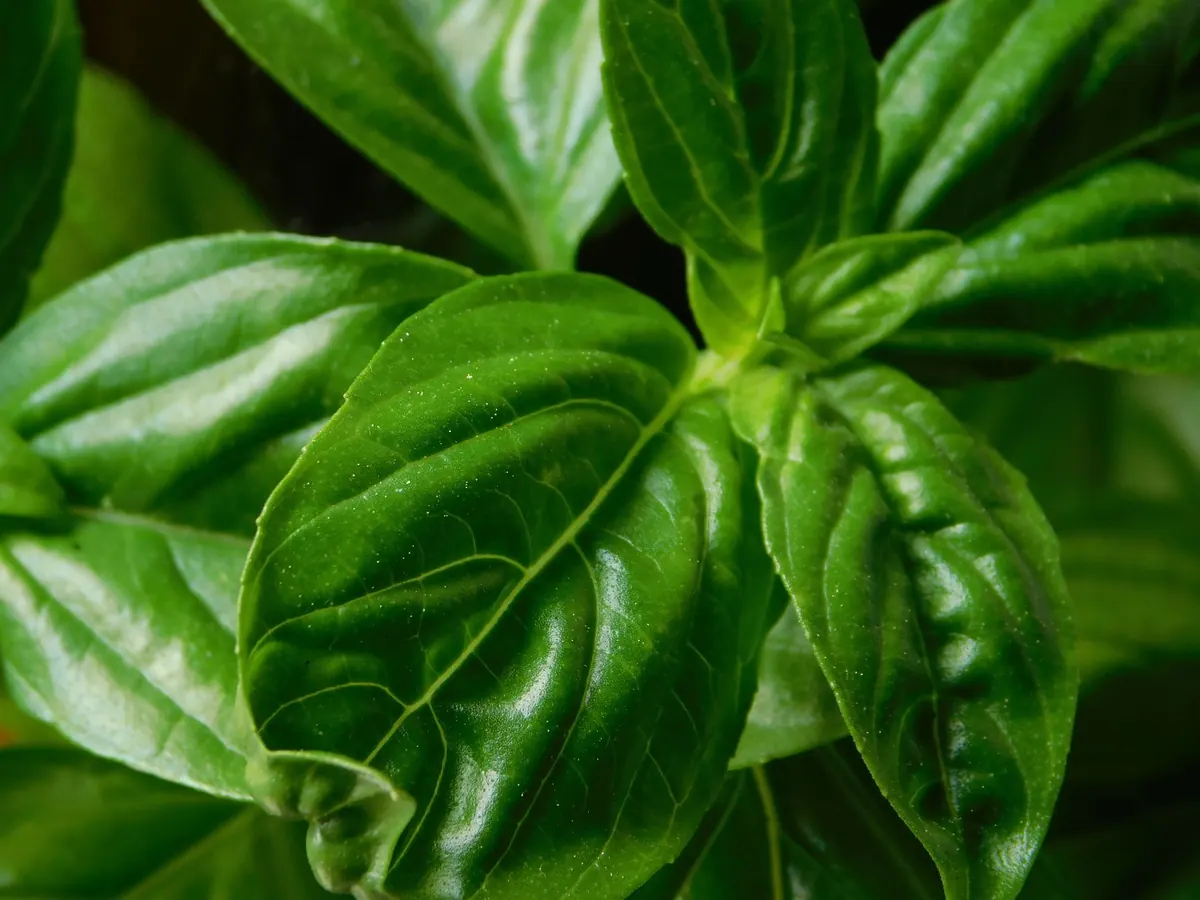
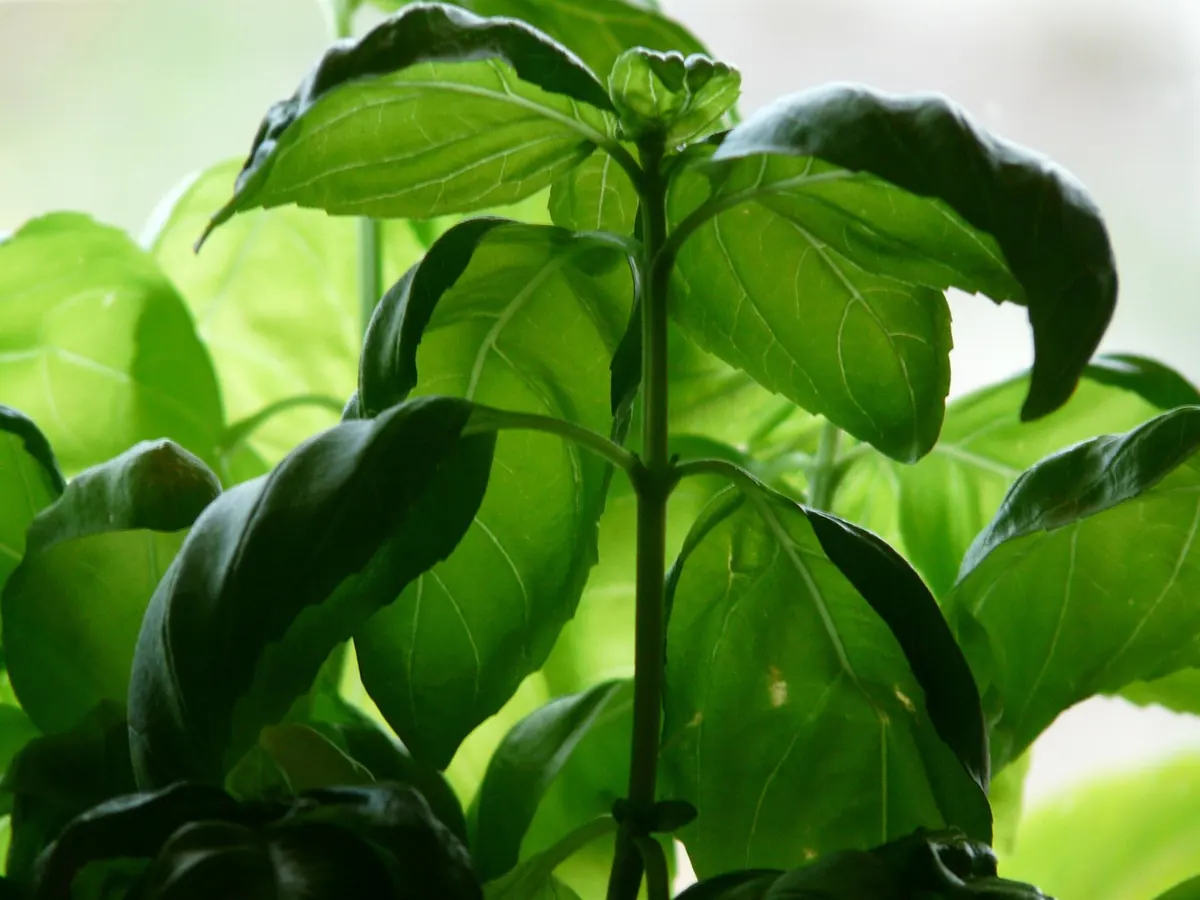
Sweet Genovese basil is the classic choice: broad, soft leaves with a clean, slightly sweet aniseed note. Greek bush basil and Thai basil are lovely plants, but they push the sauce in different directions, and Thai basil in particular turns aniseedy in a way that fights the cheese.
Pots of basil from a UK supermarket are grown densely and forced for quick sale, so the leaves bruise easily and the stems are crowded. If you grow your own, pick in the morning before the sun has warmed the plant, and pinch out flower buds as soon as they appear — once basil flowers, the leaves turn peppery and bitter.
Wash the leaves only if they need it, then dry them properly. A salad spinner followed by a tea towel does the job. Wet leaves make a watery pesto and dull the colour, which is the opposite of what you want.
Put the pine nuts in a dry frying pan over a low to medium heat and move them around constantly for three or four minutes, until they smell warm and nutty and have picked up a little colour. Stay with the pan: pine nuts go from pale to burnt in about thirty seconds. Tip them onto a plate to cool, because warm nuts will start cooking the basil the moment they meet it.
Grate the cheese yourself from a block. Pre-grated Parmesan is coated in starch to stop it clumping, and that starch makes the finished pesto grainy. A Microplane or the fine side of a box grater gives the fluffy texture you want. Note that Parmigiano Reggiano and most Grana Padano are made with animal rennet, so vegetarians should look for a hard cheese labelled as rennet-free.
This is how pesto was made before electricity, and it still produces the best version. Pounding crushes the basil rather than slicing it, releasing oils without exposing them to as much air, so the sauce stays greener and tastes sweeter.
It takes about ten minutes and a bit of wrist work. If the basil starts sliding around the bowl, add a pinch more salt — it gives the leaves something to grip.
Short on time, or making a double batch? A processor is fine, as long as you pulse rather than run it. Put the garlic and salt in the bowl and pulse to a paste, then add the basil and pulse six or eight times. Add the nuts and pulse again, then the cheese. Finally, with the motor running, pour the oil in a thin stream through the feed tube and stop the moment it comes together. Over-processing turns pesto into a purée and turns the colour a dull olive brown.
Chill the bowl and blade in the fridge for ten minutes before you start. Cold slows the reaction that browns the basil, and it costs you nothing.
Taste before you decant it. Salt is the lever most people under-use: pesto should taste seasoned, not just green. If it is a bit flat, a squeeze of lemon juice or a few drops of white wine vinegar will lift it. If it is too thick to spoon, add oil a tablespoon at a time. If it tastes harsh or bitter, the basil was probably old, or you used too much garlic — a small pinch of sugar helps more than you would expect.
Spoon the pesto into a clean jar, press it down to remove air pockets, and pour a thin layer of olive oil over the surface. That film of oil is what keeps the air out and stops the top going brown. Seal it, keep it in the fridge, and use it within a week. It will darken slightly anyway, which is harmless — just stir it through. Garlic kept in oil at room temperature is a genuine food safety risk, so this is one jar that belongs in the fridge, not on the worktop.
Pesto freezes better than it keeps. Spoon it into an ice cube tray, freeze until solid, then tip the cubes into a freezer bag. Each one is roughly a tablespoon, which is about right for a single portion of pasta. They keep for a few months. Drop a cube straight into a warm pan of drained pasta rather than thawing it in the microwave, where it tends to split.
Late summer is the moment to make a big batch, when basil is cheap, abundant and at its most aromatic. A tray of frozen cubes in the freezer will carry you through to next spring, and the difference between it and a jar from the shop is not subtle. Start with the quantities above, taste as you go, and adjust the next batch to suit your own basil.
Photo: thea a / Pexels
Previous Post
Best Grow Lights for Basil on a Budget: What to Look For
Next Post
5 Ways to Use a Glut of Basil: Freezing, Oils and Sauces