Growing Basil Indoors Year-Round: A Beginner's Checklist
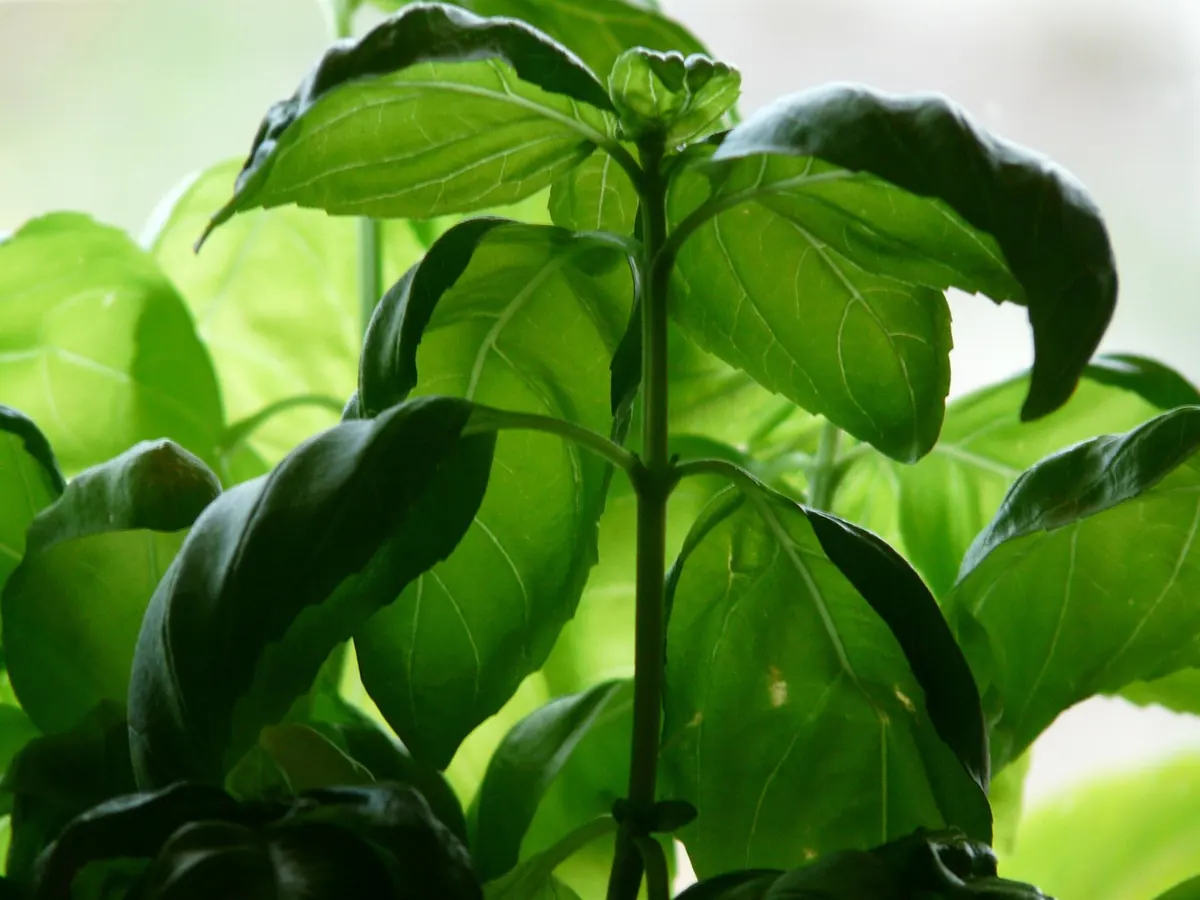
Basil is a sun-loving herb from warm Mediterranean summers, so a British windowsill has to work a little harder to keep it happy. The good news is that year-round indoor basil is perfectly achievable when you give the plant what it misses most: strong light, steady warmth, careful watering and moving air. Treat this as a checklist rather than a set of strict rules. Check each item, adjust as the seasons change, and your basil will reward you with fresh leaves for pesto, pasta and salads.
Light is the single biggest factor. Basil wants at least six to eight hours of direct sun each day. In the UK, a south-facing windowsill is the best spot; east or west can work in summer but often struggles from October to March. A north-facing sill will leave stems thin and pale unless you add a grow light.
If natural light is weak, use a small LED grow light for ten to twelve hours a day. Keep the lamp roughly 15–30cm above the top leaves, and raise it as the plant grows. Close enough to be effective, far enough that leaves do not scorch. Turn the pot a quarter turn every few days so the plant grows evenly instead of leaning towards the glass.
Watch the glass itself. On cold nights, a windowsill can become much colder than the room, and leaves touching the pane may blacken. In winter, move pots to the inner edge of the sill or onto a nearby shelf after sunset.
Basil grows best between about 18°C and 24°C. It dislikes cold draughts, sudden chills and the dry blast from a radiator. A kitchen windowsill above a radiator is often too hot and dry; a porch or unheated conservatory may be too cold at night.
Check for gaps around window frames and doors. If you can feel a draught on your hand, the basil can feel it too. A simple thermometer beside the pot helps you spot swings. Keep the plant away from ripening fruit if space allows, as the ethylene gas released by fruit can shorten the life of sensitive leaves.
Basil likes compost that is consistently moist but never waterlogged. The easiest test is to push a finger into the compost up to the first knuckle. If it feels dry at that depth, water. If it feels damp, wait another day.
When you water, do it properly: pour slowly over the surface until water runs out of the drainage holes, then empty the saucer after ten minutes. Never let the pot stand in water. Morning is the best time, as any splashes on leaves can dry before evening. Use water at room temperature rather than straight from a cold tap.
When in doubt, feel the compost before you pour. Basil suffers more from kindness than from thirst.
Pot size matters. A small pot dries out fast; a huge pot stays wet for too long. Choose one with drainage holes and repot when roots appear at the surface. Terracotta dries more quickly than plastic, which suits basil in summer but can be tricky in winter.
Fresh compost usually contains enough nutrients for the first few weeks. After that, feed with a balanced liquid fertiliser every two to four weeks while the plant is actively growing. Dilute to half the strength recommended on the bottle. Little and often is safer than a strong monthly dose.
In winter, growth slows. If the plant is under a grow light, a very weak feed once a month may be enough. If it is on a dim windowsill, stop feeding altogether until spring. Overfeeding produces soft, floppy stems, fewer aromatic oils and a build-up of salts in the compost. If you see a white crust on the surface, scrape it off and flush the pot with plain water.
Indoor air can be still, especially in a sealed kitchen. That stillness encourages fungal problems such as mould on leaves and damping off in seedlings. A small desk fan set to its lowest speed for an hour or two a day is usually enough. Point it slightly above the plants rather than directly at them, so leaves rustle gently but do not thrash.
Space pots apart so air can move between them. Remove fallen leaves and faded stems promptly. Water the compost, not the foliage, and avoid crowding several basil plants into one small tray. Good airflow also helps prevent the downy mildew that often affects overcrowded indoor basil.
Left alone, basil grows upwards, flowers and then stops producing tender leaves. Pinch out the growing tips regularly. Use your thumb and forefinger, or clean scissors, to snip just above a pair of leaves. This encourages side shoots and a bushier plant.
Once you have the basics in place, indoor basil becomes a simple rhythm. Each morning, glance at the compost and water only if the top layer is dry. Once a week, turn the pot, pinch out any flower buds, remove dead leaves and feed if the plant is growing strongly. Once a month, wipe the windowsill, check the light levels and adjust your watering as the seasons shift.
In summer, you may need to water every day or two. In winter, once a week may be plenty. The plant will tell you what it needs: bright green leaves mean you are close; pale, stretched stems mean more light; yellow, mushy leaves mean less water. Start with one pot, learn its habits, and add a second when you are confident. Fresh basil in January is worth the small effort.
Photo: Hans / Pixabay
Previous Post
Basil Downy Mildew in the UK: Symptoms, Prevention and Resistant Varieties
Next Post
Best Grow Lights for Basil on a Budget: What to Look For